Māori learner success grows at Ara
22 July, 2026
New national data highlights significant gains in retention and achievement among Māori learners at Ara.

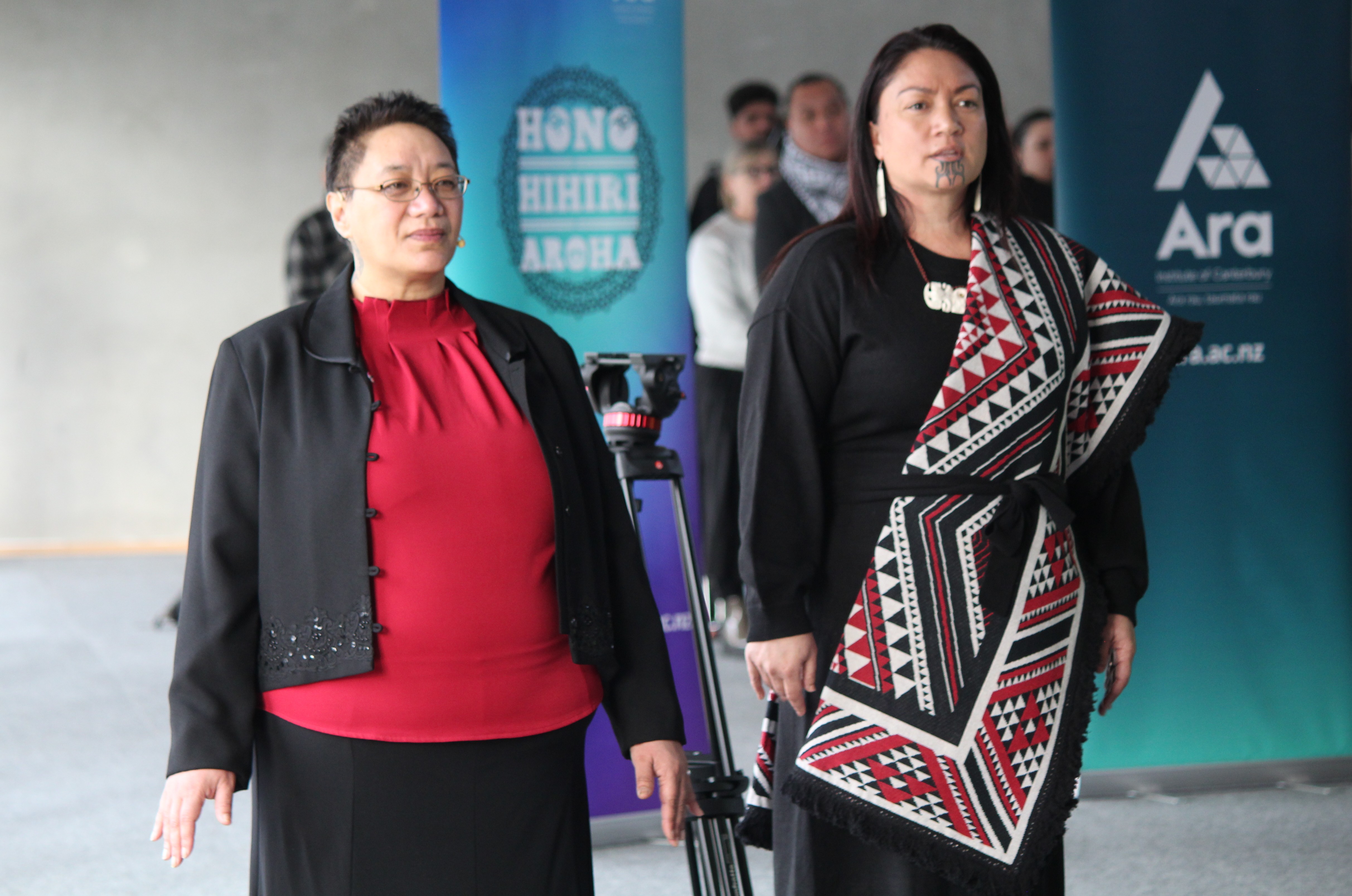
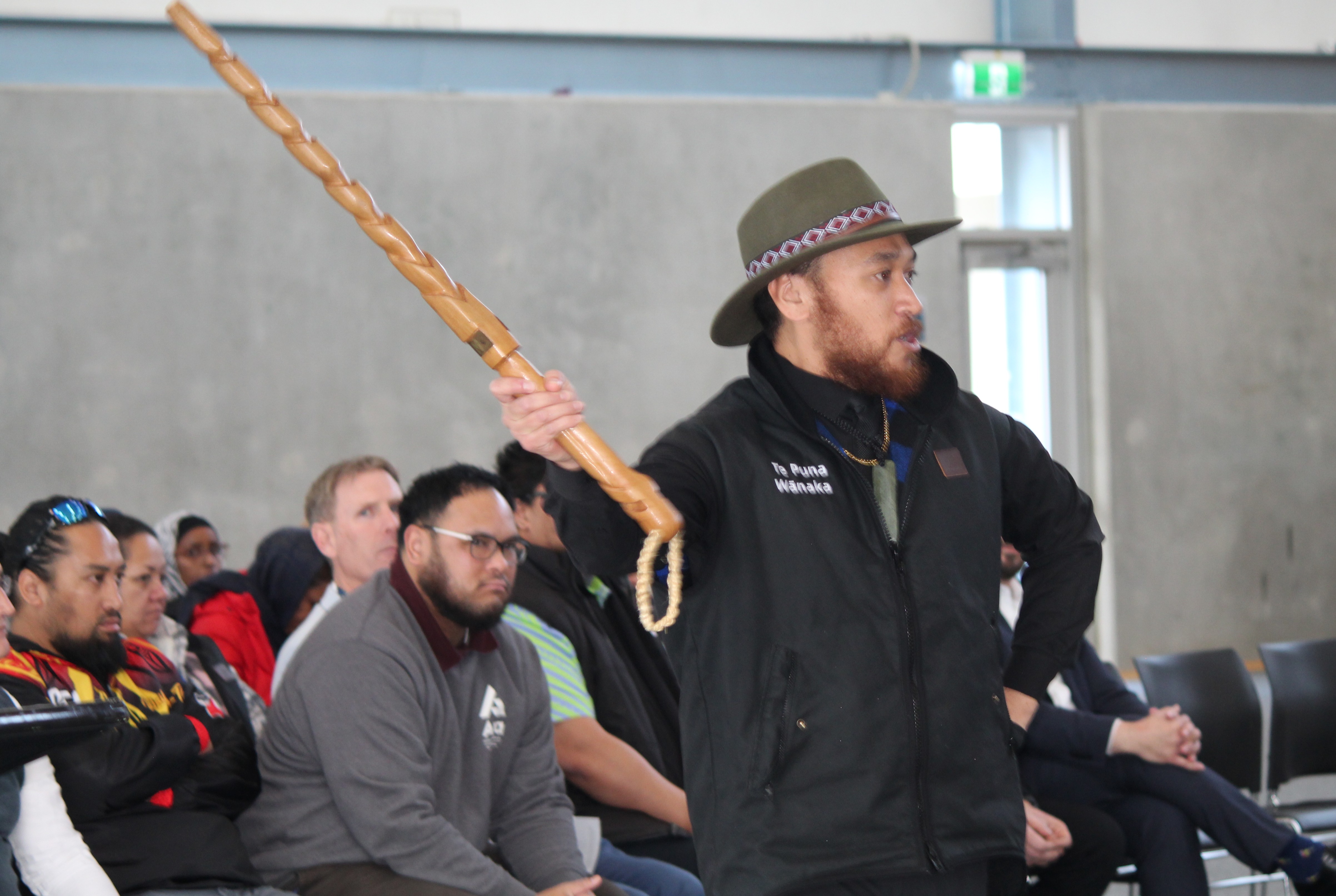
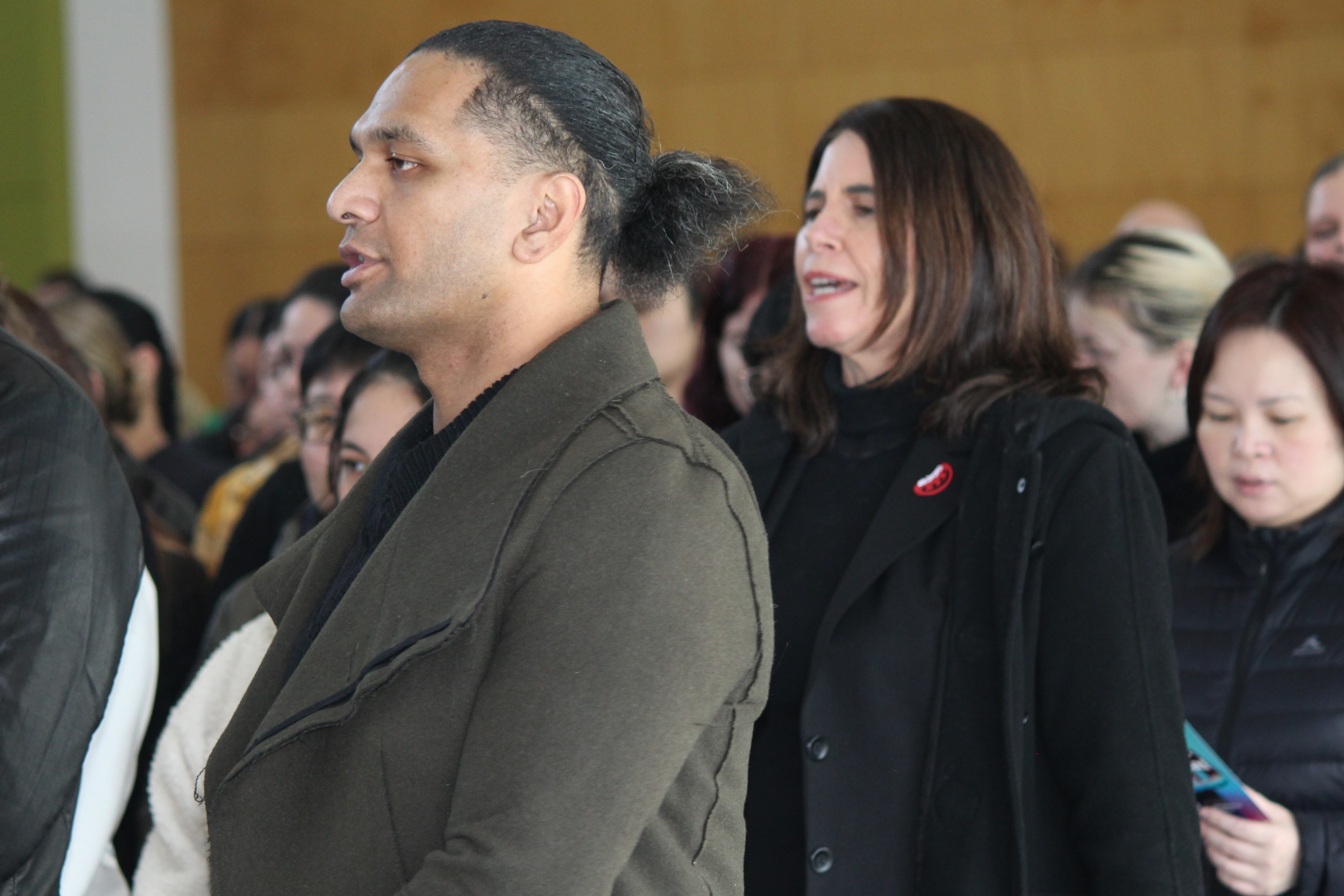
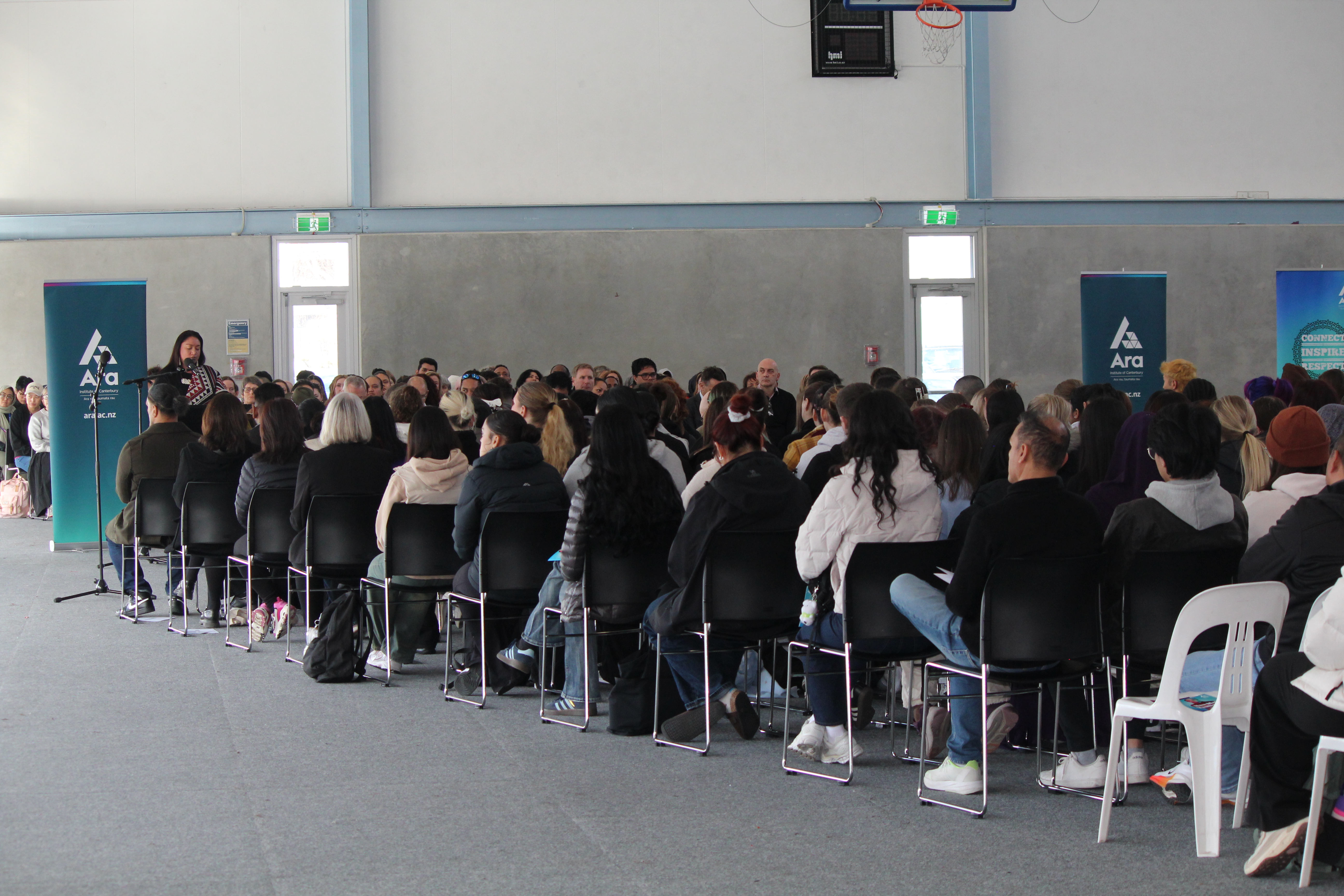
Semester Two ākonga are welcomed with a whakatau at Ara's City campus this week - each Ara campus holds these events twice-yearly
More Māori learners are continuing their studies and successfully completing their courses at Ara Institute of Canterbury, according to the latest Education Performance Indicator (EPI) data released by the Tertiary Education Commission.
The results show Māori first-year retention increased from 74.1 per cent in 2024 to 80.8 per cent in 2025, while Māori course completion rose from 82.5 per cent to 83.9 per cent. Ara also achieved the highest Māori first-year retention and Māori course completion results in the institute of technology and polytechnic (ITP) sector.
The results are based on EPI data for Māori learners enrolled in Student Achievement Component (SAC) funded provision.
The increase in retention is particularly significant. In 2024, Māori first-year retention at Ara was around five percentage points below that of non-Māori and non-Pacific learners. In 2025, that difference was effectively eliminated, with Māori retention reaching the same level as the comparator group. The gap in course completion rates also continued to narrow.
Ara Chief Executive Darren Mitchell said the results were worth celebrating because they reflected the success of learners and the commitment of those who support them.
"What makes these outcomes particularly significant is that they reflect years of sustained effort across Ara,” he said.
"Through a period of considerable change in the tertiary sector, our people have remained committed to creating an environment where Māori learners can thrive. The progress we are seeing today has been built over time and reflects the dedication of staff across teaching, learner support, Māori Success and leadership roles."
First-year retention measures whether learners continue their studies following their initial year. It is an important indicator of whether learners remain connected to their educational goals and receive effective support when barriers arise.
The results build on years of work to strengthen outcomes for Māori learners at Ara. Since the launch of Ara's Framework for Māori Achievement in 2020, which was refreshed in 2025 as the Framework for Māori Success, the institute has continued to evolve its approach to supporting Māori learner success.
Led by the Māori Success team and supported by kaimahi across Ara, kaupapa Māori and mātauranga Māori have become increasingly visible and valued, from campus whakatau (welcomes) and graduations to teaching practice, learner support and mentoring initiatives.
Over time, that work has contributed to a learning environment where Māori learners can see their culture, identity and aspirations reflected in daily campus life and feel a sense of belonging.
Ara Associate Director Māori Success Tate Tiatia said the figures reflected much more than academic performance.
"An increase of nearly seven percentage points in first-year retention is significant, but what matters most is what sits behind that number. For us, success is about Māori learners being able to come to Ara and succeed as Māori.
"These results suggest more learners are finding an environment where they feel confident in their place, remain connected to their studies and can achieve the goals they have set for themselves and their whānau. These outcomes belong to our learners first and foremost but they also reflect the collective effort of many people across Ara who have worked together to create an environment where Māori learners feel supported to achieve their aspirations."
While encouraged by the results, Tiatia said the focus remained on continuing to learn from what was working and building on that success.
"These results give us confidence that we are heading in the right direction, but they also encourage us to deepen our understanding of what is making the biggest difference for Māori learners.
"The opportunity now is to continue to strengthen what is working," she said.