Ara kaimahi bring passion, pride and purpose to kapa haka regionals
22 May, 2026
Late nights, early mornings and long hours of wānanga are about to come to fruition on stage.
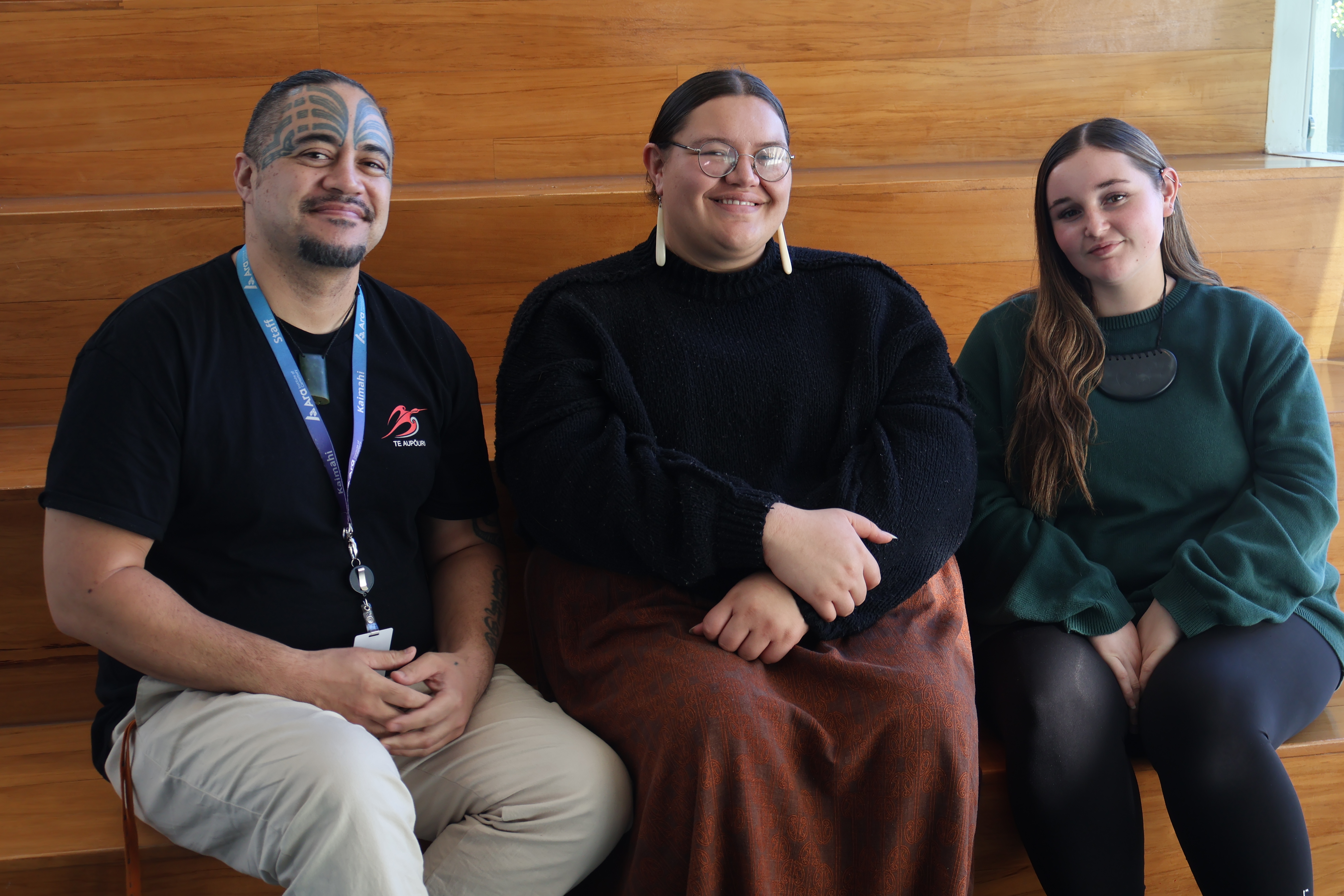
Some of the Ara kaimahi involved this weekend include (from left) Poharama Nopera, Hineamaru Paraone and Jasmine Keating.
Nineteen groups will take the stage at Wolfbrook Arena for the Waitaha Matatū senior regional competition this Saturday, but for many Ara kaimahi and ākonga, the real work started months ago.
This weekend marks the culmination of what has been, for some rōpū, close to 30 full days of practice across weekends and evenings just this year alone.
Ten groups will compete for places at Te Matatini 2027 and Ara connections run through many of them. From kaiako and kaimahi past and present, to ākonga, their whānau, performers, musicians and those working behind the scenes.
Among the competing groups is Kōkō Tangiwai, supported by Te Puna Wānaka kaiako Tawhiri Ruru, who brings decades of expertise in kapa haka tutoring, composition and organisation. Ruru's personal journey in the kaupapa stretches back to kōhanga then school and university in Waikato.
"After many years involved in Tāmaki Makaurau since, I've returned home to Ōtautahi to reconnect with whānau and continue haka here," he says.
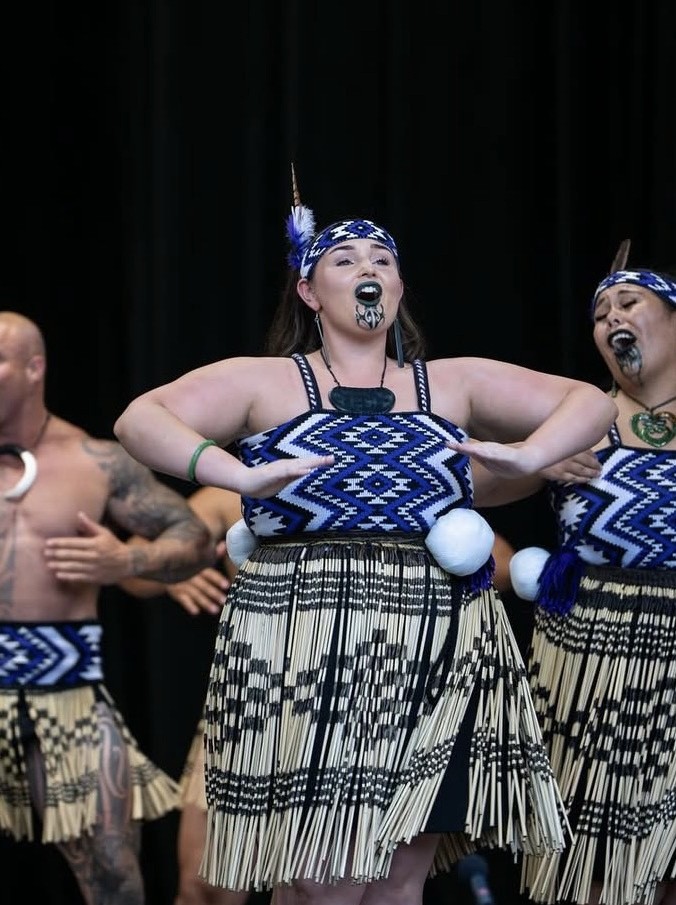
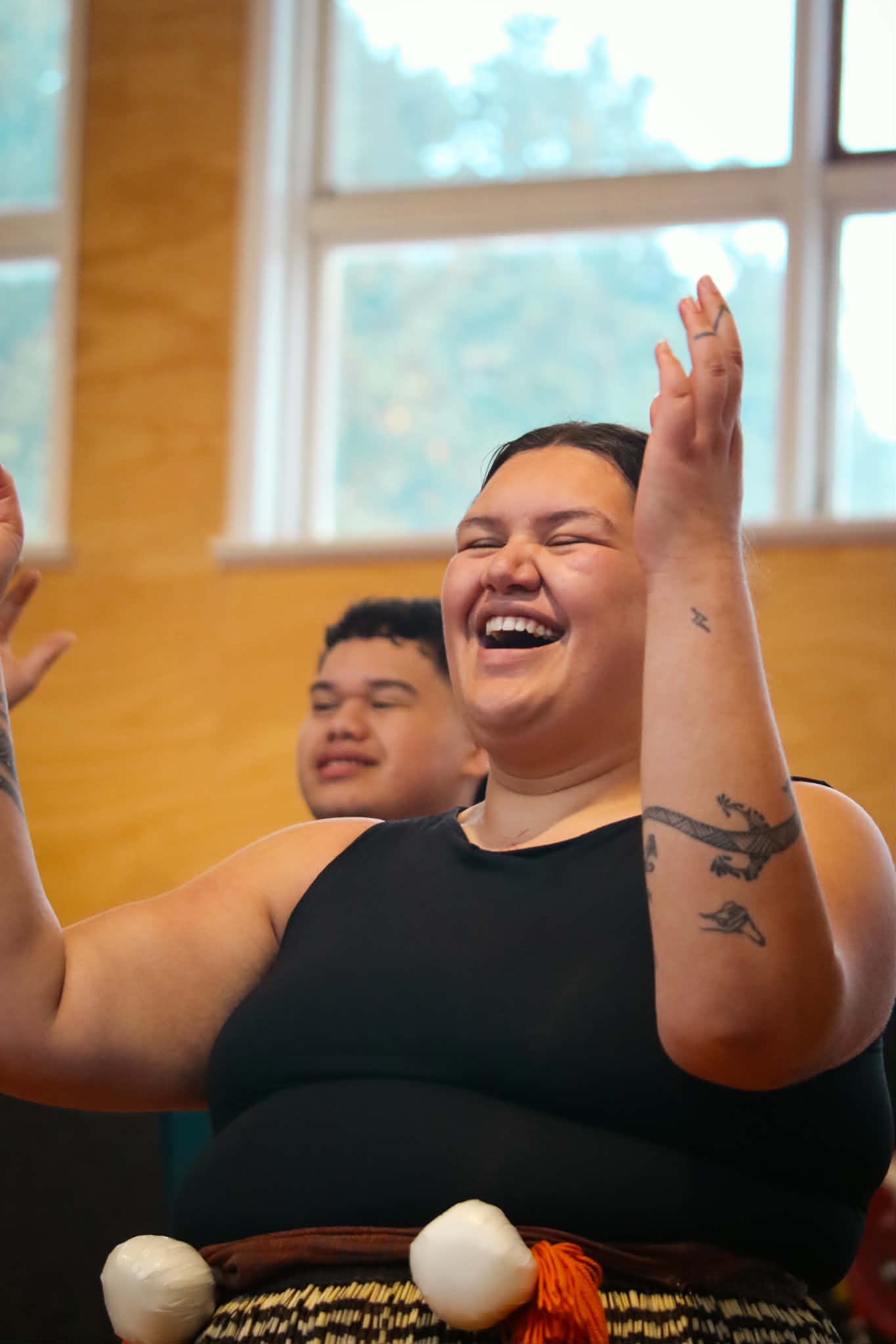
Kaihaka Jasmine Keating (left) and Hineamaru Paraone
Ara Māori Success Team Senior Administrator Jasmine Keating performs with Ngā Manu a Tāne, a rōpū with deep ties to the institute. One of its tutors, Hohepa Waitoa, was an Ara kaimahi from 2006–2018 and composed Ara's Pae Tawhiti mōteatea, still used today to welcome new ākonga.
For Keating, kapa haka has grown far beyond performance since her school-age beginnings.
"Over time, I've learnt it’s also about learning whakapapa, kōrero and the stories passed down through our tīpuna," she says. "It's shaped how I connect - not just to haka, but to people and place. The passion of our kaumātua is a constant reminder that this kaupapa carries responsibility, honouring those who have come before us."
Student Learning Advisor Poharama Nopera came to kapa haka later - connecting with Te Pao a Tahu through his wife a decade ago. He now stands, accompanies and helps tutor the rōpū.
"It's a privilege for myself as someone who comes from Muriwhenua at the top of the North Island," he says. "I have learnt so much kōrero, whakapapa and local history, which has further connected me to this whenua."
Engagement team Māori lead Hineamaru Paraone, who performs with Te Ahikaaroa, joined a muster of over 100 people late last year to have secured one of 40 spots. Wānanga most weekends and weekday sectionals have filled her 2026 calendar – but she loves every moment saying kapa haka is when she can be her “authentic self”.
"It's a big commitment, but it's all worth it when you step on stage with your rōpū," she says. "The first time I stood in a senior group ten years ago I remember it being nerve-wracking and exciting all at once - and this feeling of how cool it is to be Māori and have this as something we do."
Ara is also hosting visitors for the weekend. Te Puna Wānaka Manager Stan Tawa says welcoming Te Kapa Haka o Ngā Hau e Whā from Murihiku to Ōtautahi is a privilege.
"There's a real sense of manaakitanga in providing that base - bringing people together, sharing space and supporting each other in this kaupapa," he says.
Members of the public are encouraged to attend Wolfbrook Arena on 23 May, with performances running throughout the day and into the evening.
Regardless of who takes out the top honours it’s a chance to see who our people stand with and be left in no doubt what they stand for.