Hāngī brings feast of learning in mātauranga Māori at Ara
09 July, 2026
Level 5 Cookery ākonga celebrate their learning with a hāngī experience timed perfectly for Matariki.
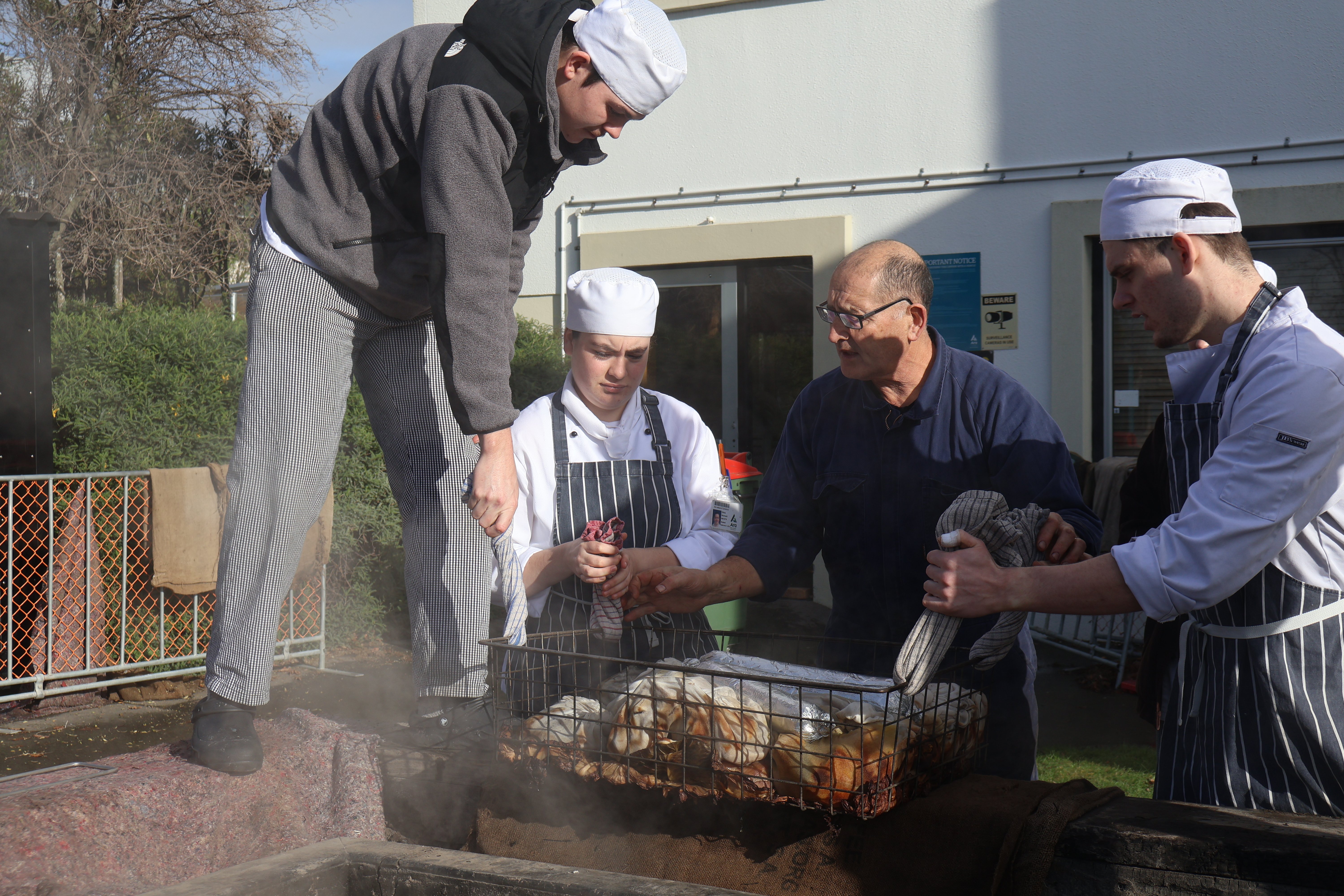
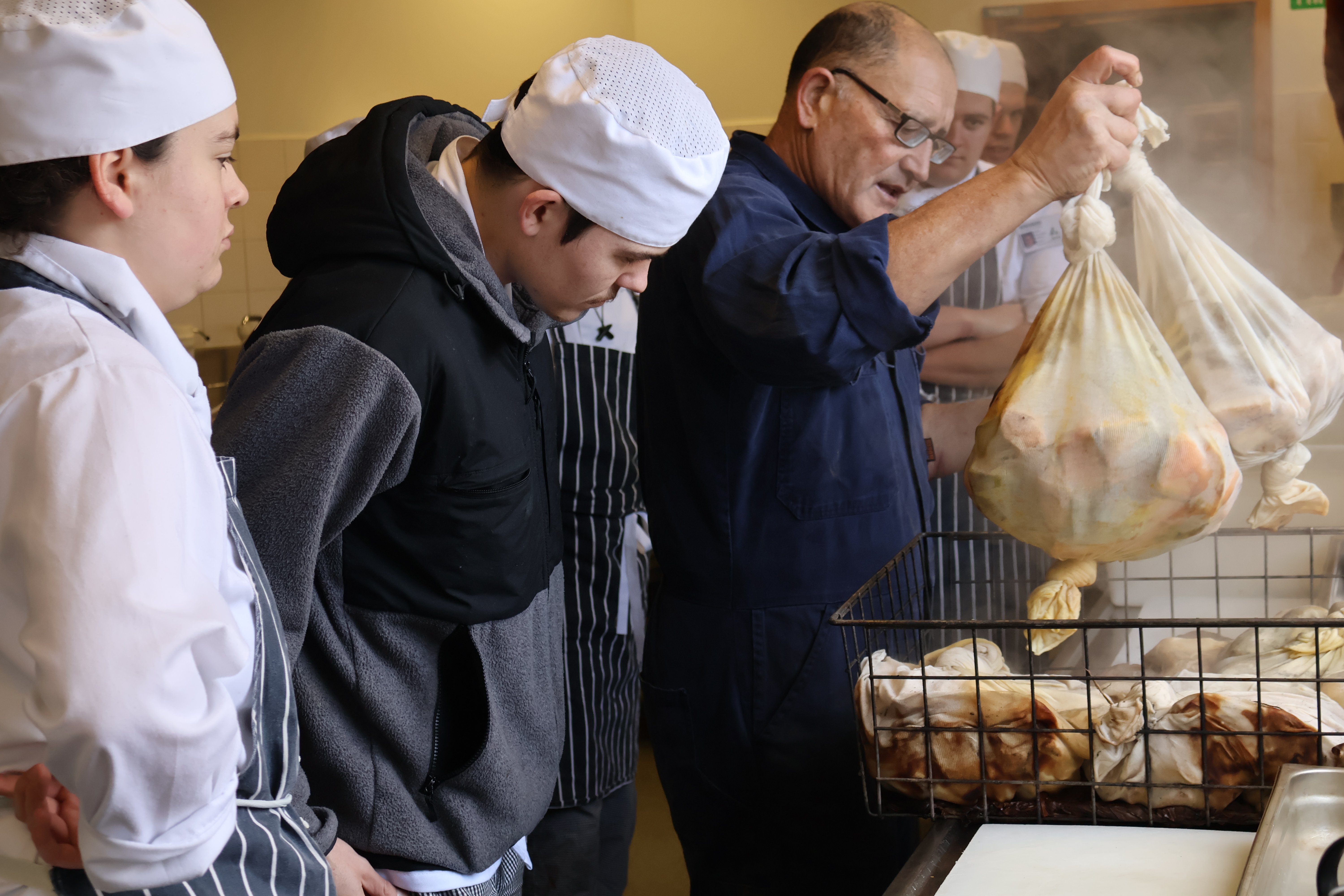
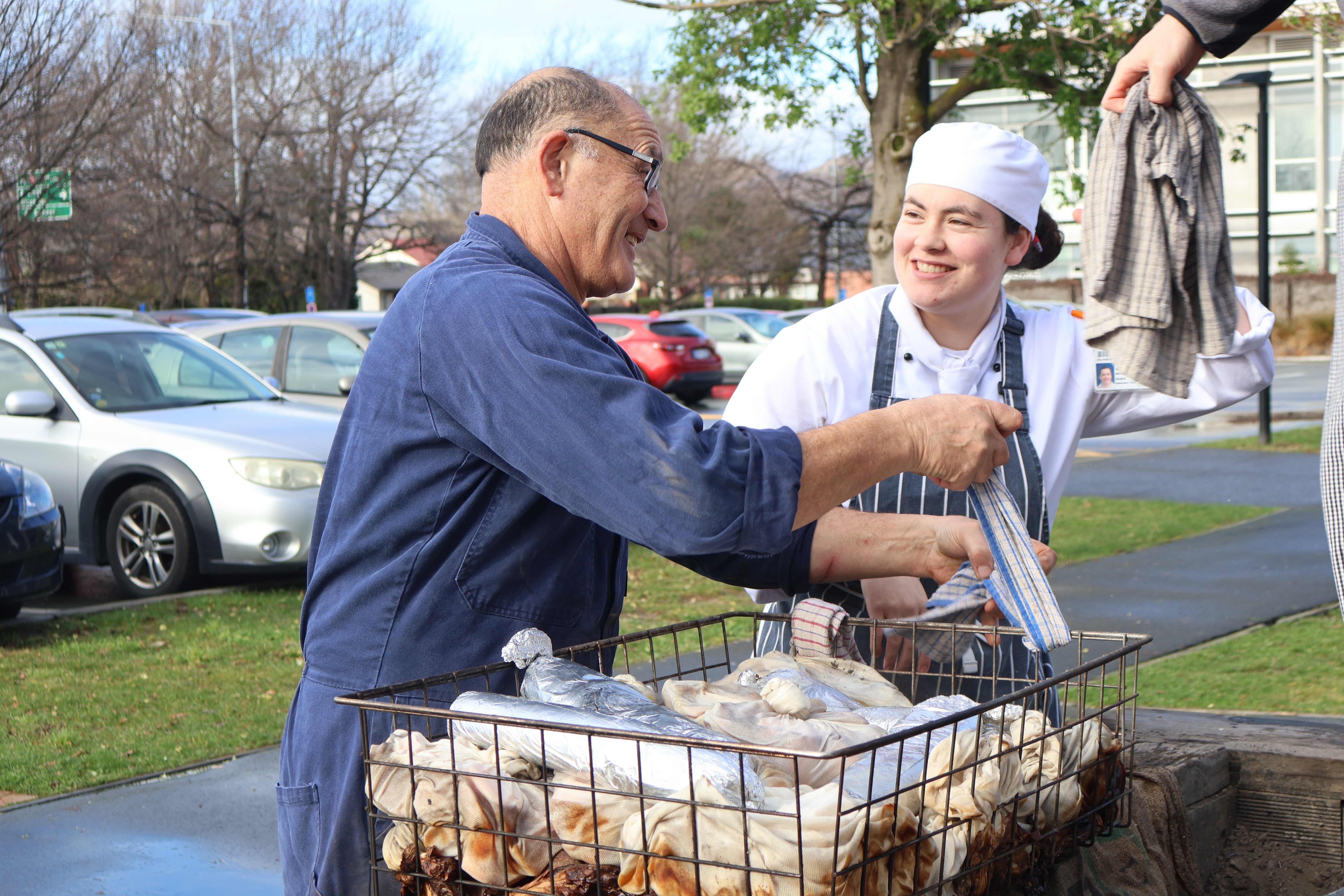
Stanley Tawa (centre) gives ākonga (students) direction on safely carrying the hot kai (food) into the kīhini (kitchen) at Te Puna Wānaka
Steam and earthy aromas drifted from the hāngī pit at Te Puna Wānaka today as cookery ākonga (students) completed their latest assignment ahead of Matariki.
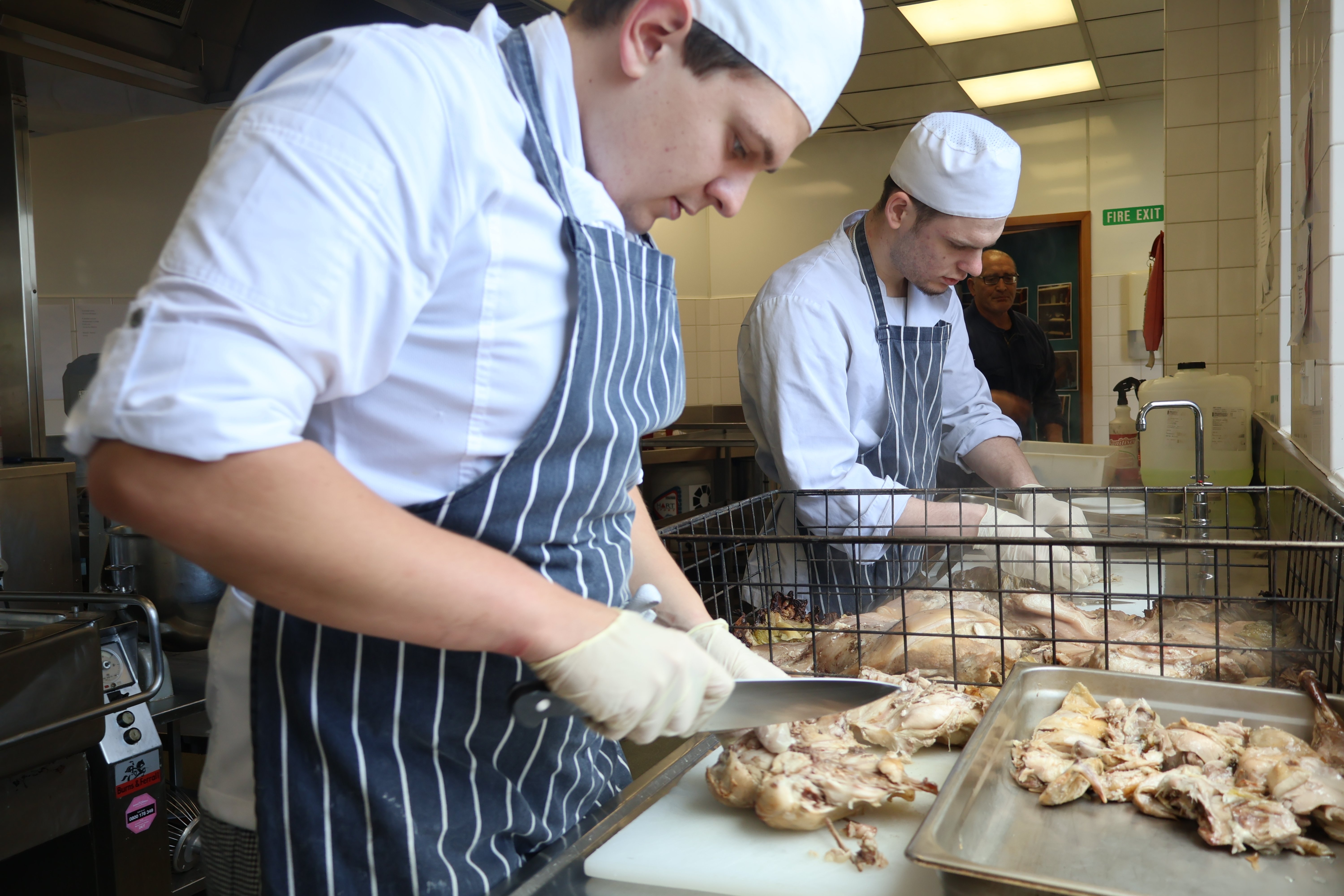
Fittingly timed for the Māori New Year, the Level 5 Diploma ākonga welcomed whānau (family) and staff to share in a hāngī lunch they’d started to prepare on campus well before dawn.
Their learning journey included previous visits to Te Puna Wānaka and guidance from Ara kaimahi Stanley Tawa, who helped ākonga build their understanding of mātauranga Māori (Māori knowledge) alongside the practical skills required to prepare and cook a successful hāngī.
Cookery tutor Mark Sycamore said the project gave ākonga a valuable opportunity to learn about hāngī in an authentic way and having a pit permanently on site at Ara gave his learners a head start.
"It has been about much more than cooking. The ākonga have embraced the opportunity to learn about the cultural significance of hāngī and the values and knowledge that sit behind it," he said.
He said the ākonga will focus their reflection on what manaakitanga (hospitality) and kaitiakitanga (guardianship) mean to them.
“At the end of the day it’s what we do in hospitality day in and day out – but to learn in this truly authentic cultural context is of real value to our ākonga – and we couldn’t have planned it better for this part of their study to fall at the beginning of Matariki.”
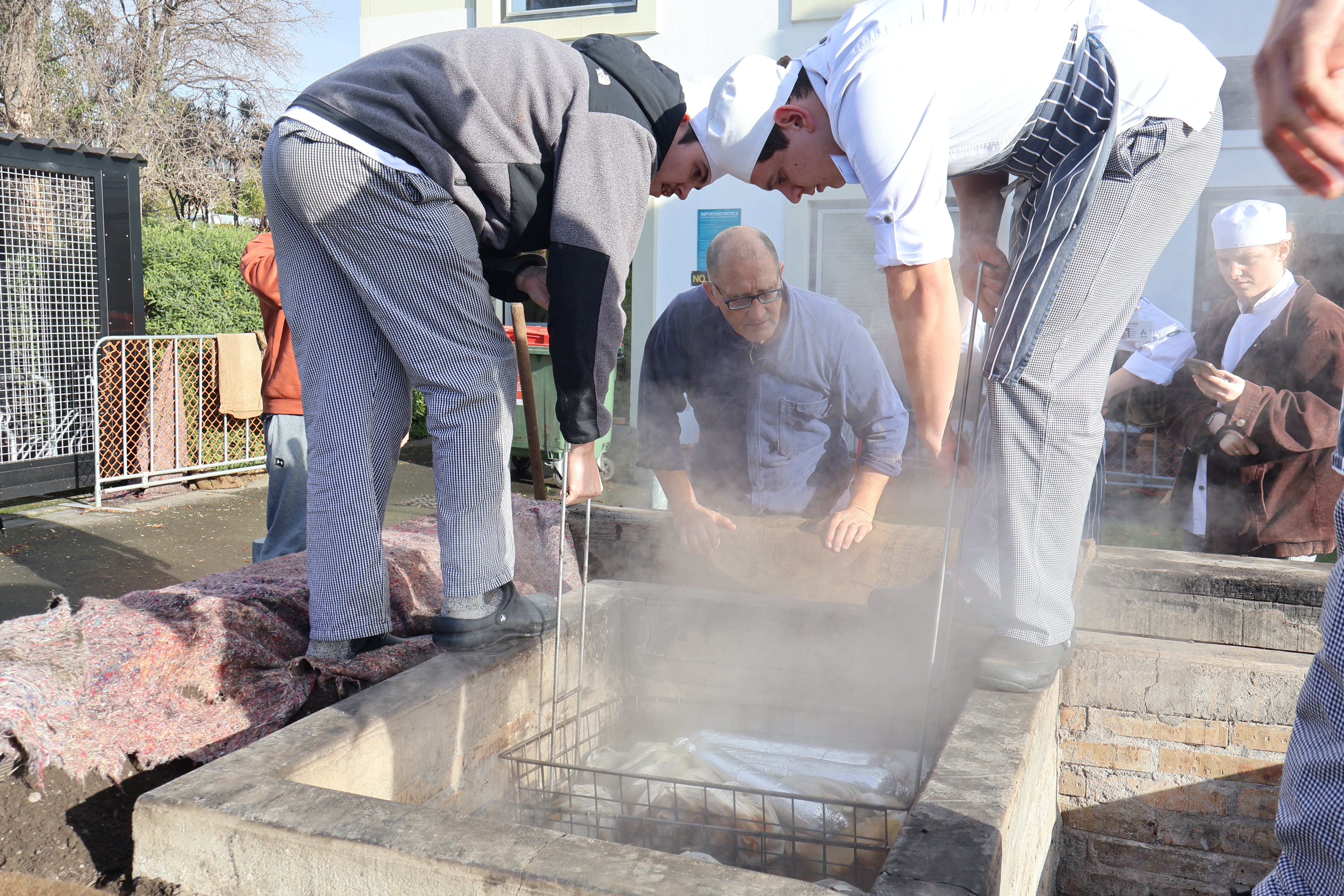
Olivia Wormald enjoyed her first experience of fully preparing and putting down a hāngī.
“We've learned so much about hāngī and what it means, not just how to cook it - we’ve learned the techniques, culture and history behind it," she said.
Fellow learner Valerii Stupnytskyi laughed about one of the more memorable lessons.
"I've learned how important it is to set the alarm on time when you're starting preparation at 5.30am," he said, adding that making the rēwena bread was another special learning experience.
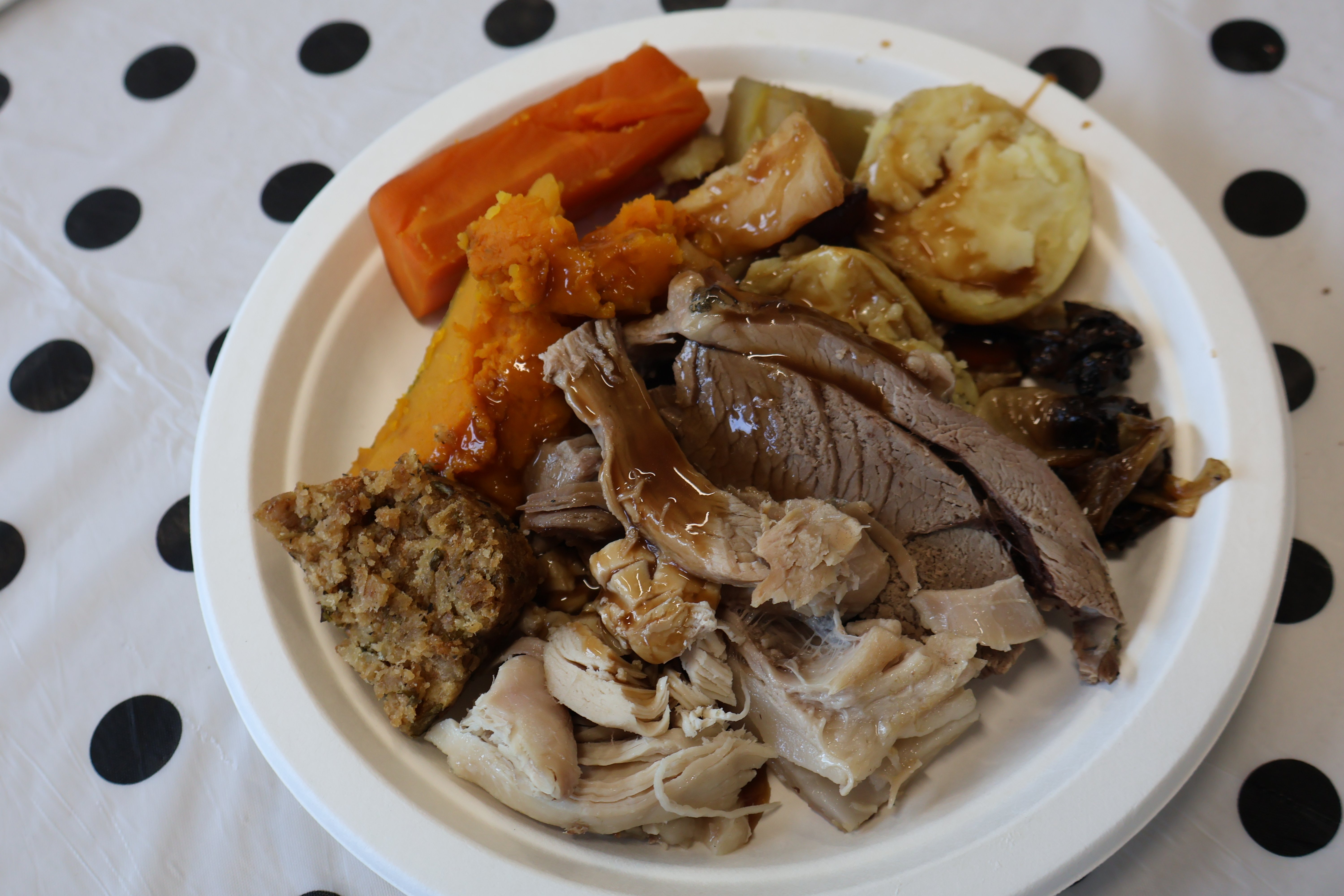
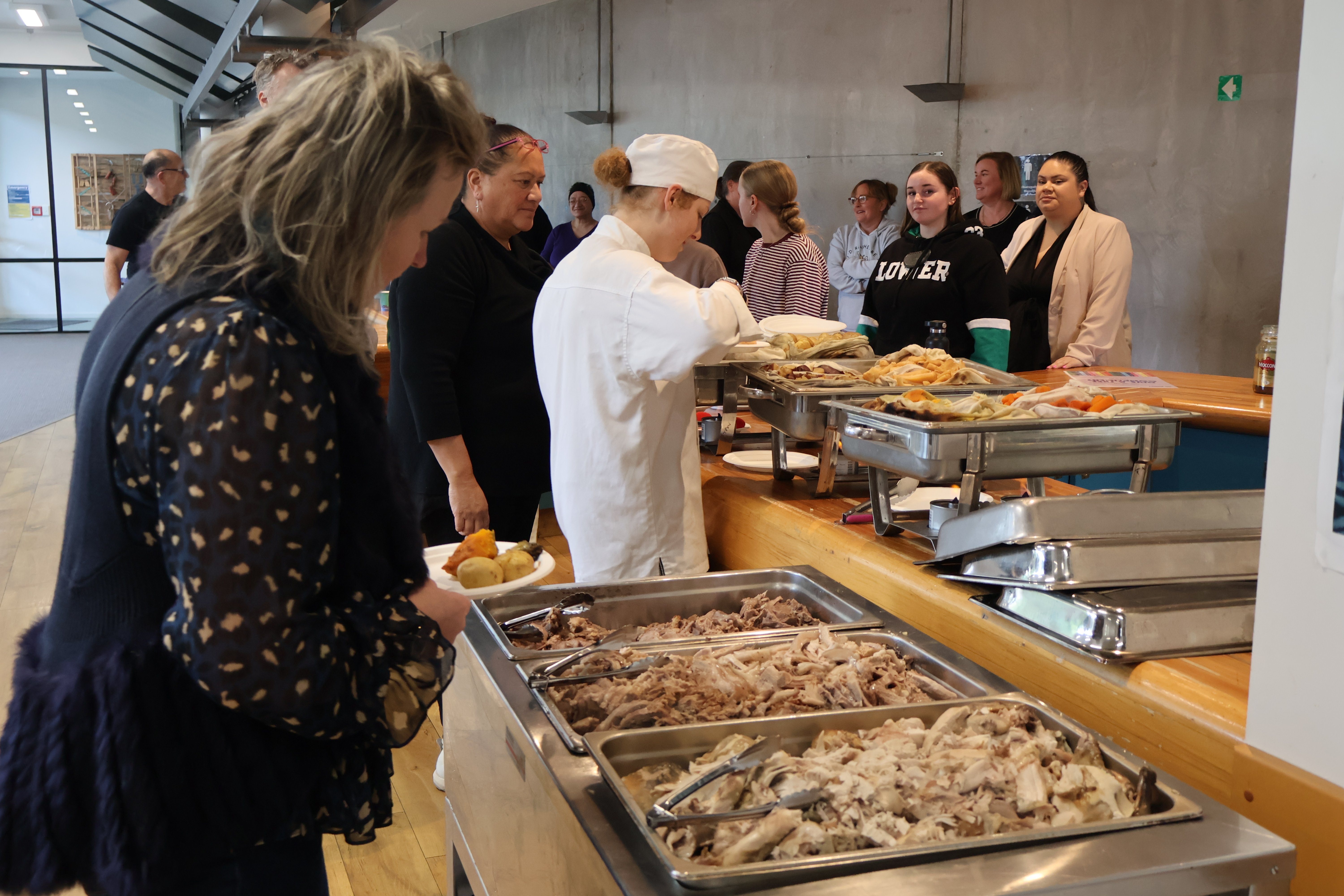
The finished hāngī was shared with whānau, kaiako (tutors) from the cookery programme and kaimahi (staff) from across Ara, giving students the chance to celebrate the results of their work with those closest to them.