Same destination, different path: engineering student Jackson Death finds his fit
18 August, 2026
New pathways between Ara and UC open up more ways to become an engineer
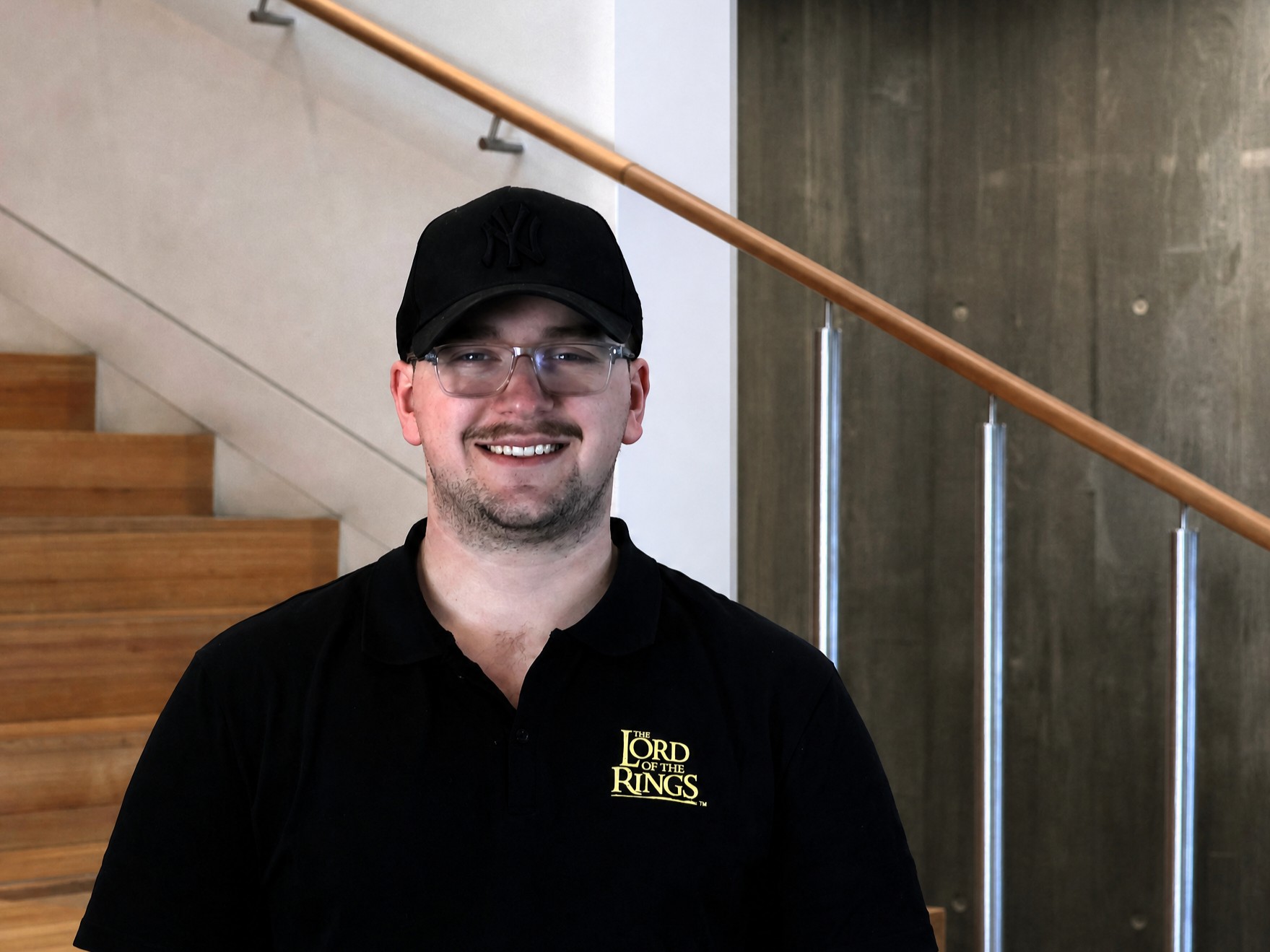
Jackson Death, Ara BEngTech Mechanical student, who has recently transferred from UC.
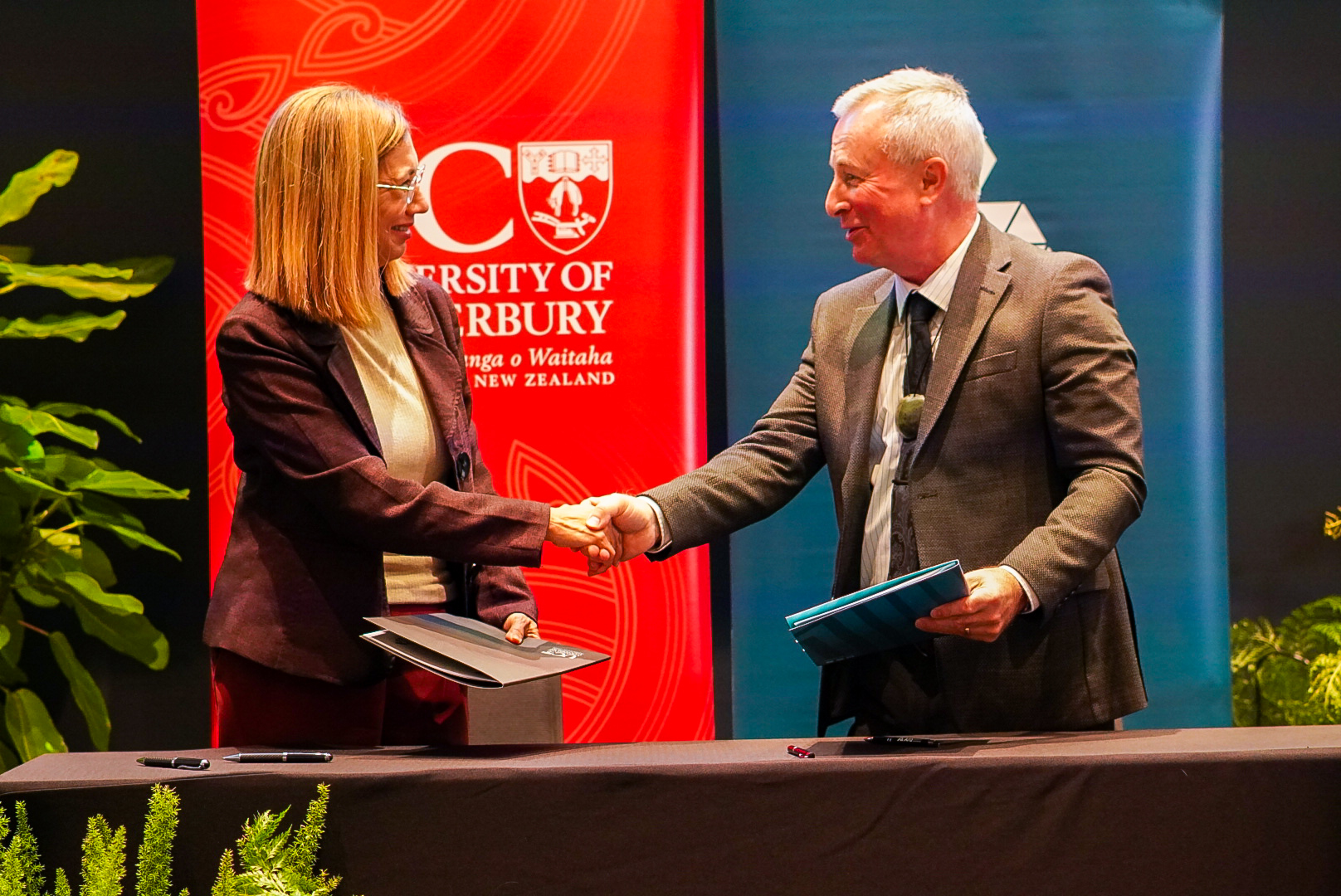
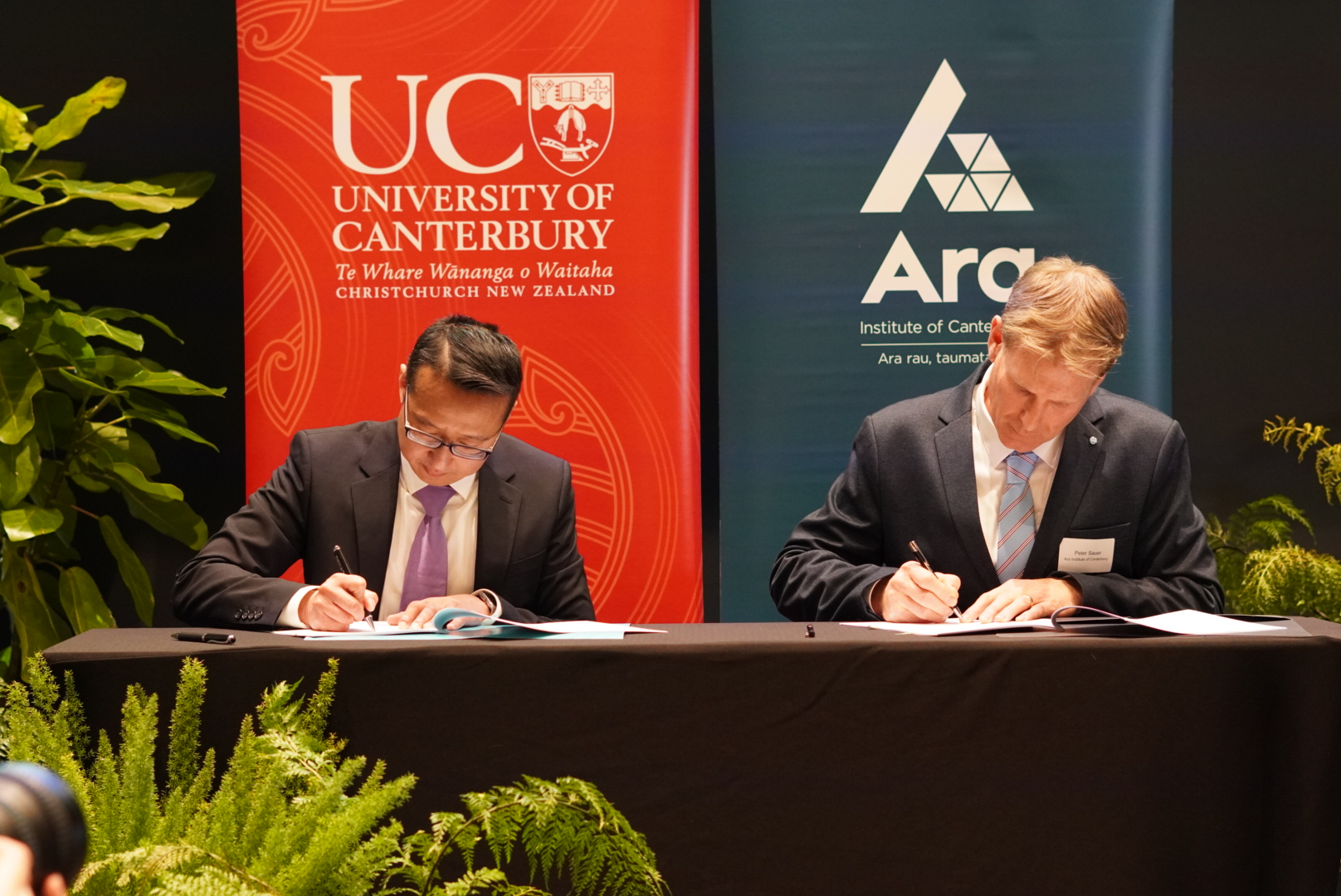
When Ara Institute of Canterbury and Te Whare Wānanga o Waitaha | University of Canterbury (UC) signed a Memorandum of Understanding (MoU) on 14 August 2026, Jackson Death was in the room as one of the first students to benefit from the pathways it created.
Engineering is in Death's DNA. His father is an aeronautical engineer, his grandfather and aunt both worked as civil engineers, and by Year 11, he already knew he wanted to follow the same path.
What he didn't expect was that the route to becoming an engineer would involve changing direction partway through his degree.
The new MoU means engineering students can now move more easily between Ara and UC, with recognised cross-credit arrangements that allow them to continue their studies without starting again.
First-year UC engineering students can transfer into Ara's Bachelor of Engineering Technology (BEngTech) with pre-approved cross-credit recognition, and Ara diploma graduates can progress into UC's Bachelor of Engineering with Honours.
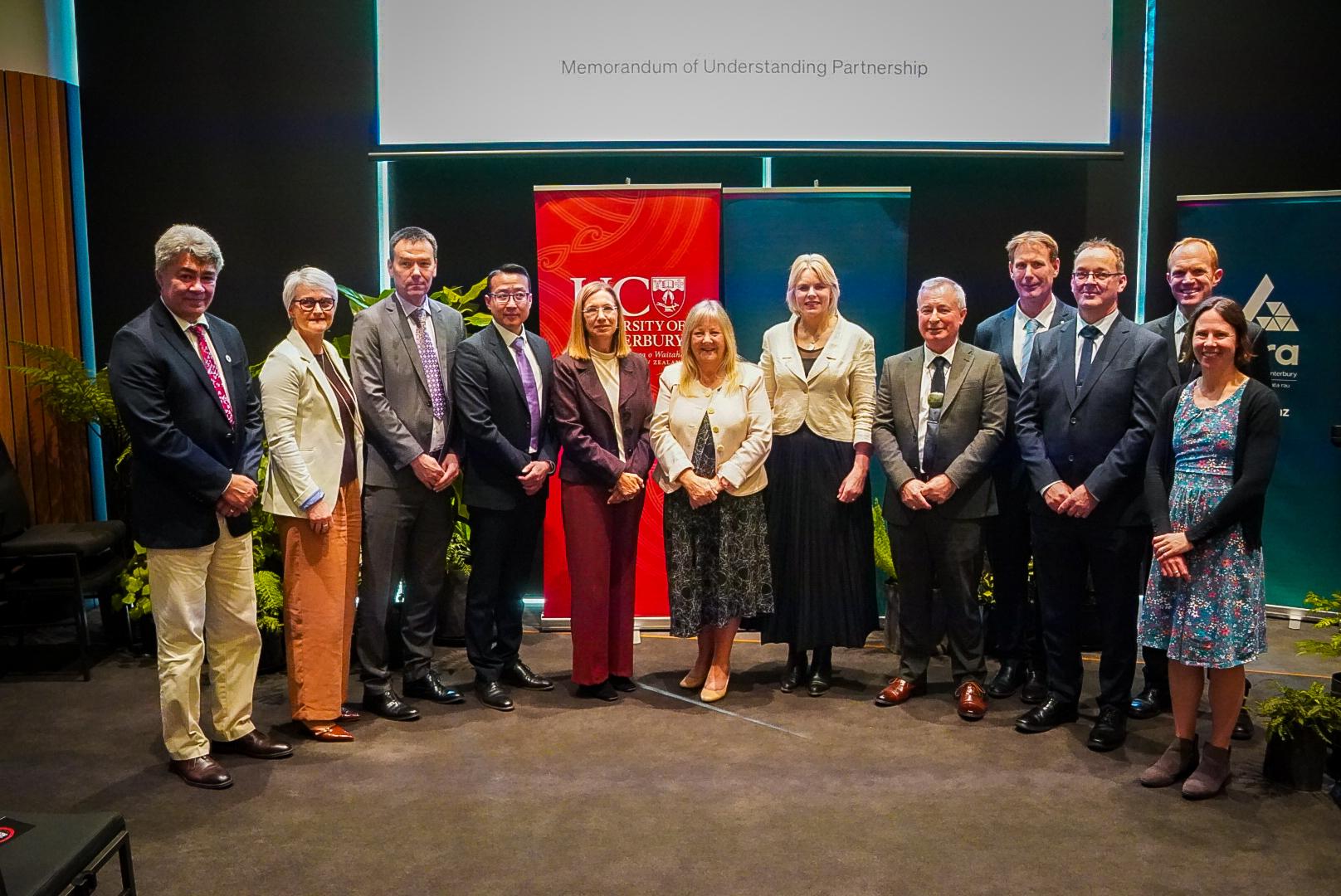
(Left to right): Professor Te Marie Tau, UC Pou Whakarae, Stefanie Gutschmidt, UC Head of Department - Mechanical Engineering, Professor Rua Murray, UC Associate Dean (Academic) Engineering First Year, Professor Pedro Lee, UC Associate Dean (Academic) Faculty of Engineering, Professor Cheryl de la Rey, UC Vice-Chancellor, Hon Penny Simmonds, Minister for Tertiary Education, Victoria Henstock, Deputy Mayor Christchurch City Council, Darren Mitchell, Ara Chief Executive, Peter Sauer, Ara Dean of Faculty - Applied Technology, Robert de Roo, Ara Portfolio Manager - Applied Engineering and Computing, Ian Chesterman, Ara Engineering Programme Lead and Senior Academic Staff Member, Lindsey Alton, Ara Engineering Programme Lead and Senior Academic Staff Member.
For Death, the agreement arrived at the right time. He began studying engineering at UC intending to specialise in mechanical engineering. Like many students, he discovered that securing a place in a preferred specialisation wasn't guaranteed.
"Mechanical engineering was always what I wanted to do," said Death. "I enjoy designing and building things. I did automotive courses at high school and always liked physics, electronics and figuring out how things worked."
Unable to secure a place in mechanical engineering, Death moved into civil engineering. After more than a year, he realised it wasn't the right fit.
"I was putting in the work, but the content just wasn't sticking. I was dragging my feet and not really enjoying it."
When a UC staff member told him he could transfer to Ara and retain credit for the study he'd already completed, the decision became much easier. Just weeks into his new programme, he’s convinced he made the right choice.
"What I've noticed straight away is how hands-on it is. We've been using AutoCAD, working on design projects and getting into the practical side of things straight away."
Death spent his first weekend teaching himself AutoCAD after becoming fascinated by the software.
"I'd never used it before and ended up spending most of the weekend learning it."
Ara Portfolio Manager of Applied Engineering and Computing Robert de Roo said the new pathway recognises that students don't all thrive in the same learning environment.
"Sometimes students discover the specialisation they want isn't available, or they realise a particular style of learning isn't the best fit for them. That shouldn't be the end of their engineering journey. New Zealand already faces a significant engineering skills shortage, with industry estimates suggesting we need an additional 1,500 to 2,300 engineers every year to meet future demand," he said.
"We can't afford to lose capable students simply because the learning environment isn't right for them, or they want to pursue a different specialisation. We're not focused on where a student starts. We're focused on helping them become successful engineers."
The agreement grew out of wider discussions between Ara and UC about creating more flexible pathways for learners and supporting New Zealand's future workforce needs.
De Roo said the approach reflects a broader commitment to putting students and industry needs first.
"If students have the passion and ability, we should be making it easier for them to get there, not harder."
The pathway also works in reverse. Graduates of Ara's New Zealand Diploma in Engineering can now progress into UC's Bachelor of Engineering with Honours with recognised credit towards their degree.
Industry is increasingly recognising the value of diverse educational pathways, said de Roo.
"Employers want capable engineers with different experiences and skillsets. This pathway gives students more choice and more opportunities to find the route that works for them."
Industry leaders have welcomed the new arrangements between Ara and UC.
Jonathan Prince, founder of Caliber Design, said the agreement was a positive step for the engineering sector.
"This agreement between Ara and UC is a great step towards a more connected engineering community, giving students greater flexibility to find the learning pathway that works best for them," he said.
"Stronger collaboration between our tertiary institutions and industry will help develop the skilled, versatile engineers New Zealand needs to continue to innovate and punch above its weight on the world stage."
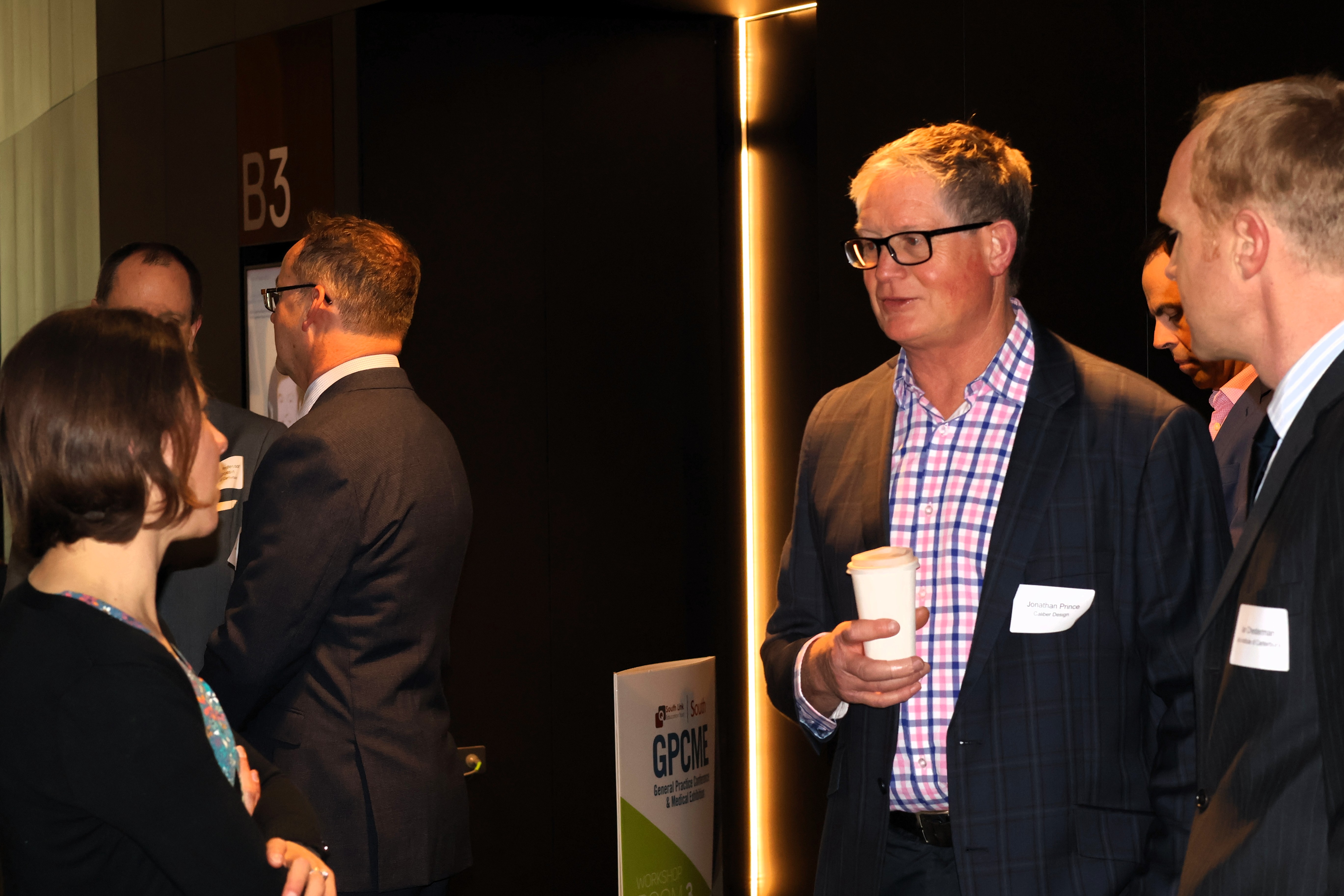
Jonathan Prince, founder of Caliber Design (second from right), speaks with Lindsey Alton (left) and Ian Chesterman (right), who are both Ara Engineering Programme Leads and Senior Academic Staff Members.
Robert Choveaux, Chair of Vocational Engineering Education New Zealand (VEE.NZ), said the partnership would help support the country's future infrastructure and workforce needs.
"Training engineers is fundamental to the success of that work and Aotearoa," he said.
"Relationships such as these between Ara and the University of Canterbury are foundational to ensuring that we keep ahead of our infrastructure demands and in providing clear educational pathways for students and employers."
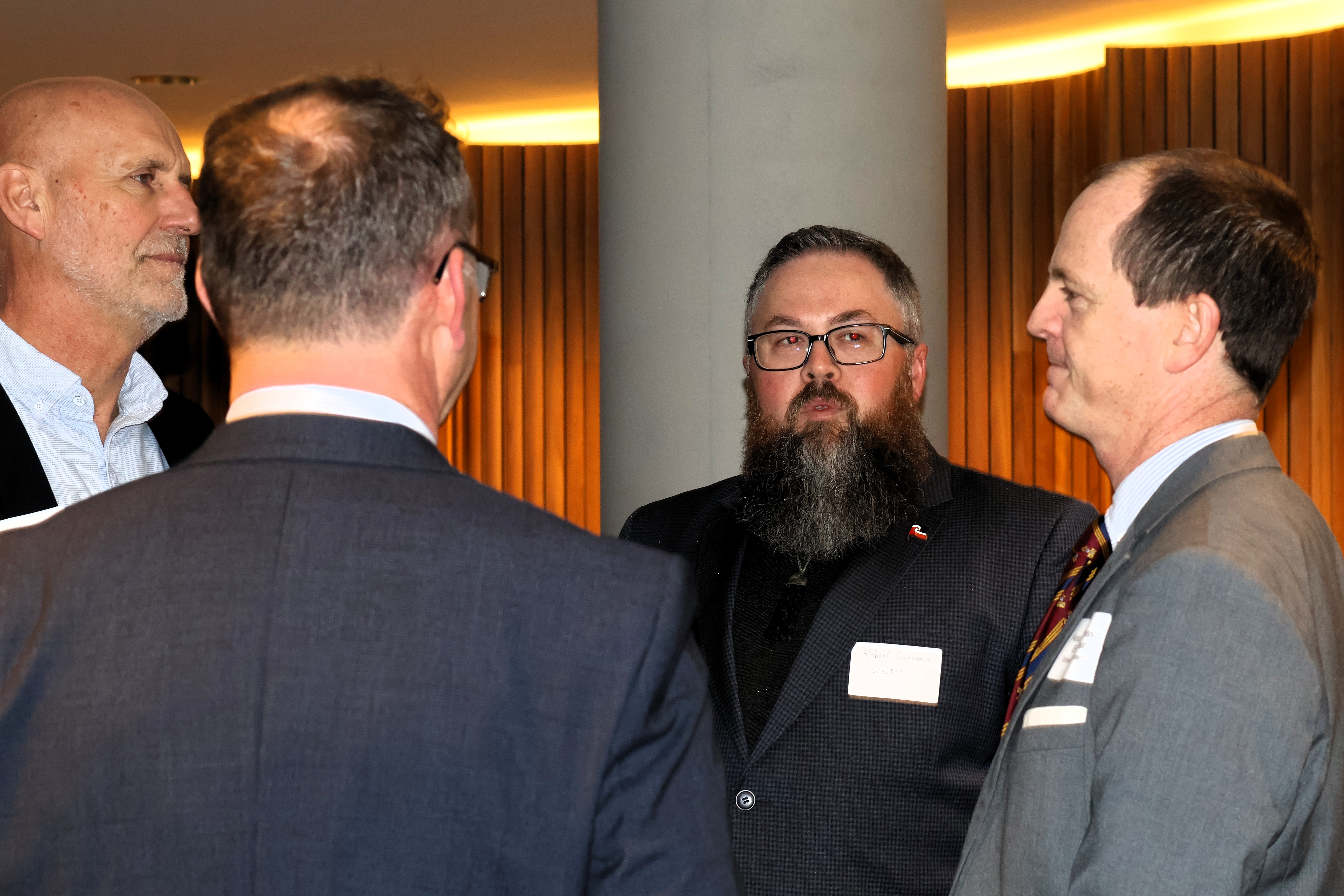
Robert Choveaux (second from right), Chair of Vocational Engineering Education New Zealand (VEE.NZ), speaks with Brett Williams (left), Engineering New Zealand General Manager - Global, Robert de Roo (second from left), Ara Portfolio Manager of Applied Engineering and Computing and Associate Professor Enda Crossin (right), UC Head of Department - Electrical Engineering.
For Death, that's exactly what the new agreement has delivered.
His advice to anyone considering a similar move is simple.
"Don't be afraid to switch earlier if you know something isn't right. I wish I'd realised sooner that this was an option."
"At the end of the day, you still become an engineer. You're just taking a different route to get there."